
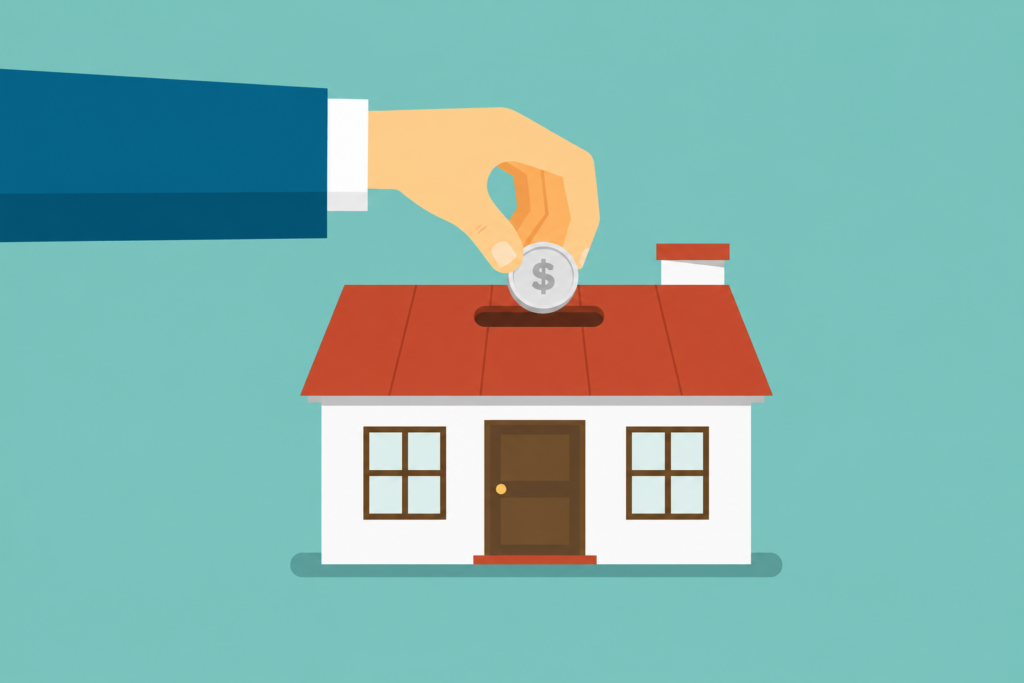
August 2026 – For many Americans, paying off a mortgage represents one of life’s biggest financial milestones. After years—sometimes decades—of making monthly payments, owning a home outright can bring a tremendous sense of accomplishment.
But as retirement approaches, many people begin asking a different question:
Should I use my savings to pay off my house before I retire, or is it better to keep my mortgage?
The answer isn’t always the same for everyone. Every retiree has different financial goals, income sources, and priorities. Understanding the factors involved may help you make a more informed decision.
Why This Question Matters
For many retirees, a home is their largest asset.
Whether you’re planning to retire in five years or have already entered retirement, your mortgage can influence:
- Monthly cash flow
- Retirement income needs
- Investment flexibility
- Emergency savings
- Overall financial confidence
That’s why deciding whether to keep or eliminate a mortgage deserves careful consideration as part of your broader retirement strategy.
The Benefits of Entering Retirement Mortgage-Free
Many retirees value the peace of mind that comes with owning their home outright.
Potential advantages may include:
Lower Monthly Expenses
Without a mortgage payment, monthly living expenses may be reduced, making it easier to manage retirement income.
Greater Financial Flexibility
Lower fixed expenses may provide additional flexibility if healthcare costs, travel plans, or unexpected expenses arise during retirement.
Peace of Mind
For many people, eliminating debt simply feels good. Knowing your home is paid for can provide an added sense of financial stability, especially during periods of economic uncertainty.
Knowing your home is paid for can provide an added sense of financial stability, especially during periods of economic uncertainty.¹
Reasons Some Retirees Choose to Keep a Mortgage
While paying off a home works well for some retirees, others choose a different approach.
Depending on individual circumstances, keeping a mortgage may allow retirees to:
- Preserve cash reserves
- Maintain additional liquidity for emergencies
- Continue investing available assets
- Avoid tying too much wealth into a single asset
These decisions often depend on factors such as interest rates, retirement income sources, and overall financial goals.
Don’t Forget About the Other Costs of Homeownership
Even if your mortgage is paid off, owning a home still involves ongoing expenses.²
These may include:
- Property taxes
- Homeowners insurance
- Utilities
- Routine maintenance
- Major repairs
- Landscaping and upkeep
Paying off your mortgage reduces one expense—but it doesn’t eliminate the ongoing costs of owning a home.
Understanding your complete housing budget is an important part of retirement planning.
Every Retirement Plan Looks Different
There is no universal answer to whether you should pay off your home before retirement.
Questions worth considering include:
- Will paying off the mortgage significantly reduce my available savings?
- Do I have adequate emergency reserves
- How will this decision affect my monthly retirement income?
- What are my long-term financial goals?
- How important is financial flexibility versus reducing debt?
Looking at these questions together may provide greater clarity than focusing solely on your mortgage balance.
Your Home Is Just One Piece of the Puzzle
Housing decisions don’t happen in isolation.
A comprehensive retirement strategy also considers:
- Retirement income
- Investments
- Healthcare planning
- Tax considerations
- Estate planning
- Emergency savings
Each of these pieces works together to support your overall financial picture.
Evaluating them as part of one coordinated plan may help you make more confident financial decisions.
Planning Ahead Can Make a Difference
One of the greatest advantages of retirement planning is having time to evaluate your options before major decisions need to be made.
Whether your goal is becoming debt-free before retirement or maintaining greater financial flexibility, reviewing your mortgage strategy ahead of time may help you better understand how it fits within your long-term objectives.
Next Steps
If you’re approaching retirement and wondering whether paying off your home makes sense, it may be helpful to evaluate that decision within the context of your overall financial plan.
At Financial Services of America, we believe retirement planning is about more than individual financial decisions. It’s about understanding how those decisions work together to support the retirement lifestyle you’ve worked hard to achieve.
If you’d like to review how your mortgage fits into your retirement strategy, our team is here to help you explore your options and build a plan designed around your goals.
Sources
¹ Consumer Financial Protection Bureau. Owning a Home. Consumer Financial Protection Bureau, https://www.consumerfinance.gov/owning-a-home/.
² Federal Trade Commission. Mortgages and Homeownership. Federal Trade Commission, https://consumer.ftc.gov/topics/home-loans.